Meta Description:
What is the Nurarihyon yokai? Learn the meaning, origin, and cultural significance of this mysterious figure in Japanese folklore, explained for modern readers.
Who Is the Nurarihyon Yokai?
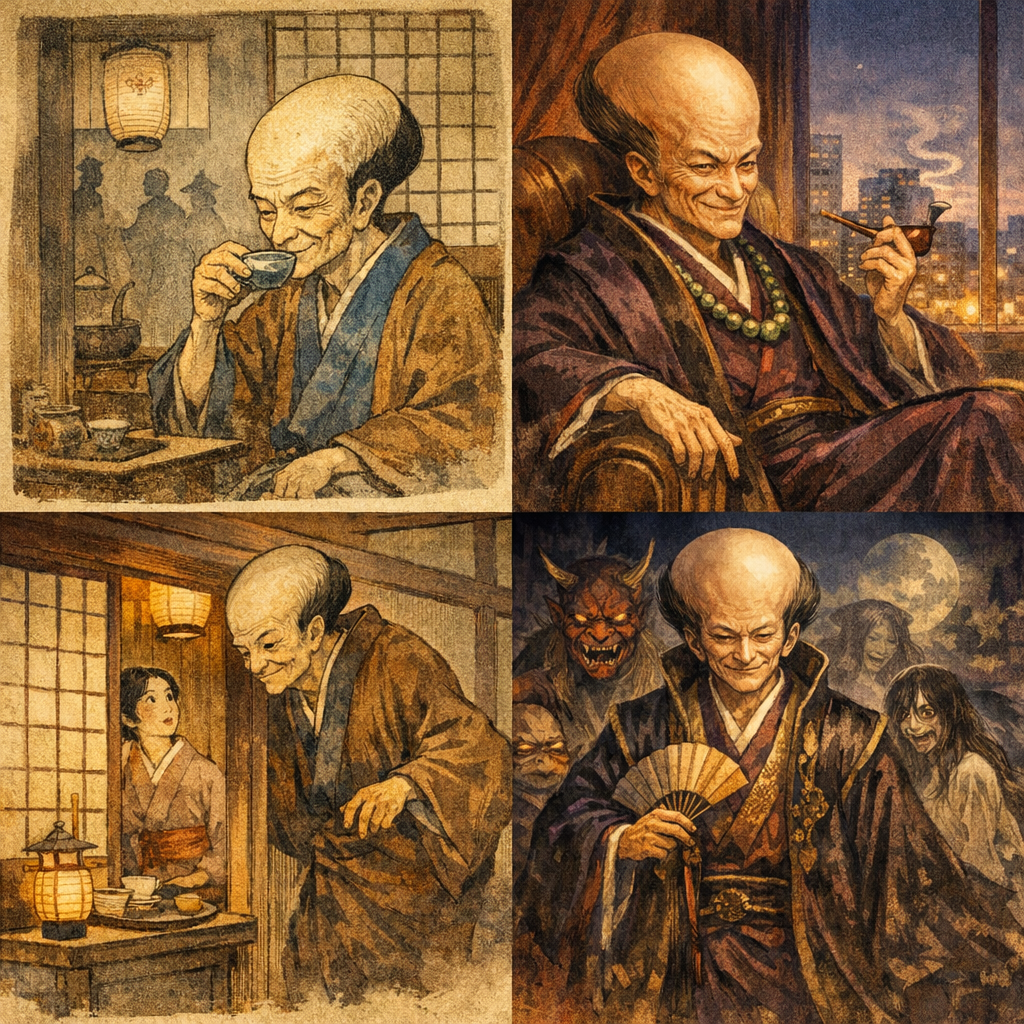
The Nurarihyon yokai is one of the most puzzling figures in Japanese folklore. Unlike monsters that rely on violence or fear, Nurarihyon unsettles people in a much quieter way. He appears as an elderly man with an unusually large head, calmly entering someone’s home and acting as if he belongs there.
Strangely, the real homeowner feels unable to question him. There is no threat, no aggression—only an overwhelming sense that this figure has the authority to stay. This subtle intrusion is what defines Nurarihyon and makes him so memorable.
Understanding Yokai in Japanese Folklore
To understand Nurarihyon, it helps to know what a yokai is. Yokai are supernatural beings from Japanese folklore that often represent emotions, social anxieties, or unexplained events rather than pure evil.
The Nurarihyon yokai stands out because he symbolizes discomfort in social situations—moments when people accept authority without knowing why.
Edo-Period Origins and Cultural Context
During Japan’s Edo period (1603–1868), illustrated books of folklore became popular among the general public. Nurarihyon frequently appeared in these collections as a strange but calm presence, blurring the line between ordinary life and the supernatural.
The Meaning Behind the Name “Nurarihyon”
The name “Nurarihyon” is thought to come from Japanese sound symbolism:
- Nurari suggests something slippery or hard to grasp
- Hyon implies something that appears suddenly
Together, the name reflects a being who slips unnoticed into everyday life, both physically and psychologically.
What Does Nurarihyon Look Like?
Traditional depictions of the Nurarihyon yokai share several traits:
- A large, elongated head
- A thin, elderly body
- Traditional Japanese clothing
- A calm, unreadable expression
The Influence of Toriyama Sekien
The standardized image of Nurarihyon comes largely from Toriyama Sekien, an influential Edo-period artist whose illustrated yokai books shaped how later generations imagined Japanese spirits. His work still influences manga, anime, and pop culture today.
Personality and Behavior of the Nurarihyon Yokai
Nurarihyon is not violent or loud. Instead, he is polite, confident, and composed. His true power lies in social pressure rather than physical force.
The Yokai Who Walks into Your Home
In classic stories, Nurarihyon enters homes at dusk, drinks tea, and relaxes as though he owns the place. The homeowner feels confused but does nothing. This behavior reflects a universal fear: the inability to challenge confidence and perceived authority.
For US readers, Nurarihyon can be compared to an uninvited guest who speaks and acts with such certainty that no one dares to question them.
Is Nurarihyon the Leader of All Yokai?
Modern media often portrays Nurarihyon as the supreme leader of yokai, but this idea does not come from ancient folklore.
Modern Interpretations and Manga Influence
This image became popular through modern manga and anime, particularly works by artist Shigeru Mizuki. His interpretation transformed Nurarihyon into a wise and commanding figure, a reinterpretation rather than a traditional belief.
Nurarihyon in Modern Pop Culture
Anime and manga have introduced the Nurarihyon yokai to global audiences, often portraying him as charismatic and intelligent. These adaptations helped reframe him from a subtle intruder into a symbol of leadership and strategy.
Why the Nurarihyon Yokai Still Resonates Today
The Nurarihyon yokai endures because he represents experiences that remain relevant:
- Accepting authority without understanding it
- Feeling social pressure to remain polite
- Being unsettled by unspoken power dynamics
These themes resonate strongly in modern workplaces and social environments.
Frequently Asked Questions About Nurarihyon
Is the Nurarihyon yokai evil?
Not exactly. He is unsettling rather than malicious.
Is Nurarihyon based on a real person?
No confirmed historical figure is linked to his origin.
Is he stronger than oni or demons?
His power is social and psychological, not physical.
Is Nurarihyon suitable for children’s stories?
Yes. He is often portrayed in a symbolic, non-violent way.
Do people still believe in Nurarihyon today?
He is mainly viewed as folklore and cultural symbolism.
What is a modern analogy for Nurarihyon?
Someone who gains control through confidence alone.
Conclusion
The Nurarihyon yokai is frightening not because of violence, but because of familiarity. He reflects how easily people accept confidence and authority without question. Quiet, polite, and impossible to fully understand, Nurarihyon remains one of the most fascinating figures in Japanese folklore.